How Long to Hold a Stretch: 15, 30 or 60 Seconds?
How long to hold a stretch for flexibility, warm-ups and relaxation, how many sets to do, and why total weekly stretching time matters most.
By Ayoub Farid · · 2 min read
Fifteen seconds? Thirty? Two minutes? You'll find every answer online. Here's a practical summary of what the evidence generally suggests and how to use it.
The short answer
- For general flexibility: hold each stretch 30–60 seconds, 1–2 times.
- For very tight areas or older adults: lean toward 60 seconds.
- Before exercise: keep static holds short (under 30–60 s) or use dynamic stretches.
- For relaxation: hold as long as it feels good, 60–120 seconds.
Why 30–60 seconds?
Many flexibility studies find that holds around 30 seconds produce gains, and that what matters most over weeks is total time under stretch per muscle. Research reviews often point to roughly 5 minutes or more per muscle group per week as a useful target. Stretching daily makes that easy.
Example: 30 seconds × 2 sets × 5 days = 5 minutes per week for that muscle.
How many sets?
1–2 sets per stretch per side is enough for most people. Three or more is useful only if you're chasing a big goal like the splits.
Does longer always mean better?
Not necessarily. Very long holds aren't harmful for most people, but returns diminish, and it makes routines long enough that you skip them. Consistency beats duration. See how long to get flexible.
Hold times by situation
| Situation | Hold time |
|---|---|
| Daily flexibility routine | 30–60 s |
| Post-workout cool-down | 30–60 s |
| Pre-workout warm-up | Dynamic, or static under 30 s |
| Bedtime / relaxation | 60–120 s |
| PNF stretching | 5–10 s contract, 20–30 s stretch |
| Desk breaks | 15–30 s |
How to make a hold effective
- Ease in for the first 10 seconds.
- Breathe out and let the muscle relax.
- Go a little deeper when the tension fades.
- Stay still, no bouncing.
Why a timer helps
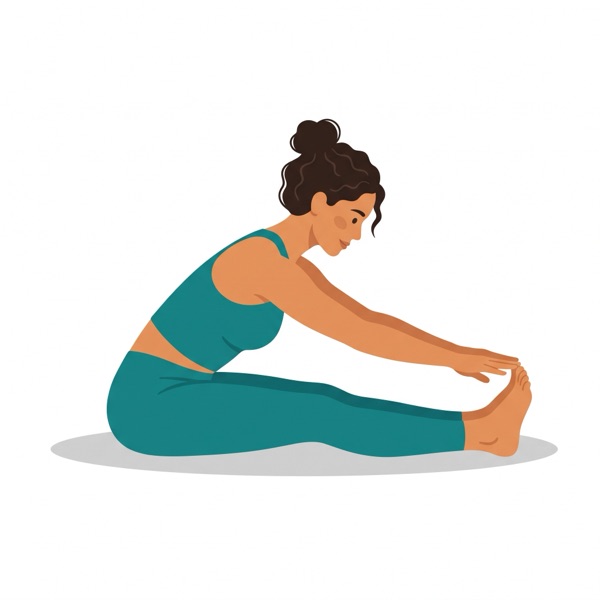
Most people underestimate time when stretching; "30 seconds" often ends at 12. A guided timer keeps holds honest. Suppl's player counts every stretch for you (30 seconds for most stretches in the routines) and moves on automatically. See guided stretching vs video classes.
Frequently asked questions
Is 10 seconds enough to stretch?
It's better than nothing for a quick break, but 30 seconds or more is better for flexibility.
Should I hold stretches for 2 minutes?
You can, especially for relaxation or very tight areas, but it isn't required.
How long should older adults hold stretches?
Around 60 seconds is often suggested. See stretching for seniors.
Do I stretch both sides the same time?
Yes, or a little longer on the tighter side.