Stretching App for Back Pain: What to Look For
How a stretching app can help with everyday back stiffness, which stretches it should include, red flags that need a doctor, and how Suppl's routines work.
By Ayoub Farid · · 2 min read
Lower back stiffness is one of the most common reasons people download a stretching app. A good app can help a lot with everyday tightness from sitting, standing or training. It cannot diagnose or treat an injury. This guide covers what a back-friendly stretching app should include and when to skip the app and see a professional.
First: when an app is not the answer
See a doctor or physical therapist before stretching if you have:
- Pain after a fall or accident.
- Pain that shoots down a leg, or numbness, tingling or weakness.
- Pain with fever, unexplained weight loss, or problems controlling your bladder or bowels.
- Pain that is getting worse after several weeks.
For ordinary stiffness, gentle movement is usually better than rest.
What a good back stretching app includes
Gentle spinal mobility
Cat-cow and pelvic tilts move the spine through a comfortable range.
Flexion stretches
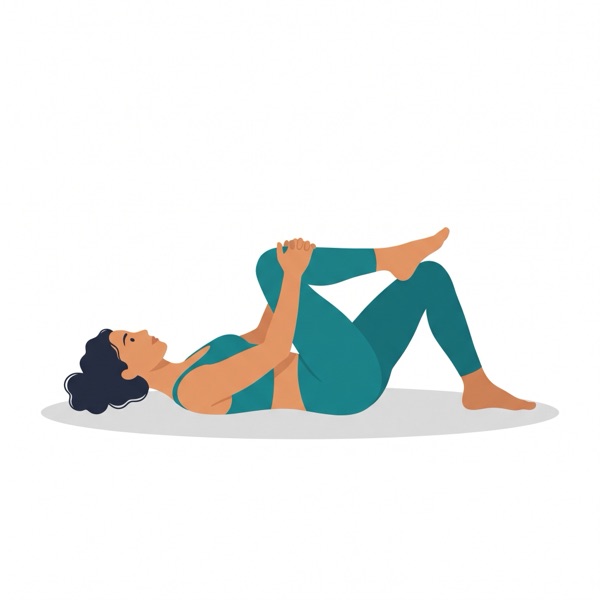
Knee-to-chest and child's pose gently lengthen the lower back muscles.
Rotation
The supine spinal twist relieves tension along the sides of the spine.
Gentle extension
Sphinx counters long hours of sitting bent forward.
The muscles around the back
Tight hip flexors, hamstrings and glutes pull on the pelvis and often contribute to lower back stiffness.
Clear stop signs
Every stretch should say: mild tension is fine, sharp pain means stop.
How Suppl handles back stiffness
Suppl's Lower Back Relief routine is a 3-minute sequence of knee-to-chest, supine spinal twist, cat-cow, sphinx and pelvic tilt. The Desk Break Reset routine targets the neck, chest and upper back stiffness that comes with sitting. The Daily Workout (free forever) includes knee-to-chest, a supine twist and hip flexor and hamstring stretches.
The AI stretch coach is useful here: describe when your back feels tight (mornings, after sitting, after deadlifts) and it suggests stretches for that pattern. It will also tell you when something sounds like it needs a professional.
A 3-minute routine to try today
- Knee-to-chest, each side: 30 seconds
- Supine spinal twist, each side: 30 seconds
- Cat-cow: 30 seconds
- Sphinx: 30 seconds
Breathe slowly; never push into pain. Our full guide to stretches for lower back pain explains each one.
Frequently asked questions
Can a stretching app fix my back pain?
It can ease everyday stiffness. It does not replace diagnosis or treatment for injuries or persistent pain.
How often should I stretch for back stiffness?
Daily, gently. Short sessions spread through the day work well if you sit a lot.
Should I stretch if my back hurts right now?
Gentle movement within a comfortable range is usually fine for mild stiffness. Stop if pain increases or radiates.
Which Suppl routine is best for the lower back?
Lower Back Relief, plus Deep Hip Opener if your hips are tight.