Static vs Dynamic Stretching: When to Use Each
Static vs dynamic stretching explained: what each one is, what the research suggests about warm-ups and flexibility, and simple rules for when to do which.
By Ayoub Farid · · 2 min read
There are two main ways to stretch: hold still (static) or move (dynamic). Both are useful. The trick is using each at the right time.
Static stretching
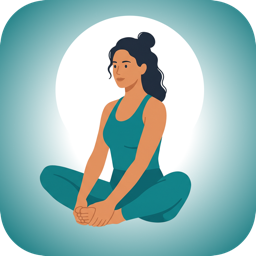
What it is: holding a stretch in one position, usually 15–60 seconds. Examples: hamstring stretch, pigeon pose, butterfly.
Best for:
- Improving long-term flexibility.
- Cool-downs after exercise.
- Relaxing before bed.
Watch out: long static holds (over about 60 seconds per muscle) right before explosive activity like sprinting or jumping may reduce power slightly for a short time in some studies. Short holds within a full warm-up seem to matter little.
Dynamic stretching
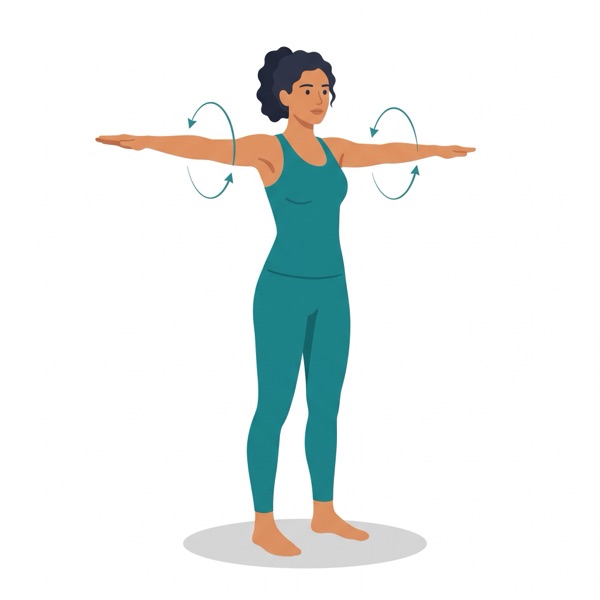
What it is: controlled movements that take joints through their range repeatedly. Examples: leg swings, walking lunges with a twist, arm circles, world's greatest stretch.
Best for:
- Warming up before workouts, runs and sports.
- Mornings, when you want to feel awake.
- Building active mobility.
Watch out: don't fling limbs wildly. Control the movement.
Ballistic stretching (and why to skip it)
Ballistic stretching means bouncing at the end of your range. It's generally not recommended for most people because it can trigger the stretch reflex and increase injury risk.
Simple rules
| Situation | Do |
|---|---|
| Before a workout or run | Dynamic (5–10 min) |
| After a workout or run | Static (5 min) |
| Daily flexibility routine | Mostly static |
| Morning wake-up | Gentle dynamic + short static |
| Before bed | Slow static |
Sample combos
Before a run: brisk walk, leg swings, walking lunges, ankle circles. See stretches before running.
After a run: hamstring, quad, calf and hip flexor holds. See stretches after running.
Before lifting: dynamic warm-up routine, then warm-up sets.
What about PNF?
PNF (contract-relax) is a variant of static stretching that can produce faster flexibility gains. See PNF stretching.
Do it with Suppl
Suppl has both: a full-body dynamic category (arm circles, torso twists, walking lunge with twist, sun salutation flow, world's greatest stretch, deep squat hold) and static routines like Leg Flexibility and Deep Hip Opener. Use dynamic moves before activity and the routines after.
A sample day combining both
Morning: 2 minutes of dynamic moves (arm circles, torso twists, leg swings) to wake up. Before your workout: 5–10 minutes of dynamic warm-up. After your workout: 5 minutes of static stretching for the muscles you trained. Evening: a few slow static stretches to wind down. Each type has its place, and using both gives you warm-up quality, flexibility and relaxation.
Frequently asked questions
Is static stretching bad before exercise?
Short holds are fine. Long holds right before explosive efforts may slightly reduce power. Use dynamic stretching to warm up.
Which is better for flexibility?
Static and PNF stretching are the main tools for long-term flexibility.
Can I combine both in one session?
Yes. Dynamic first, then static.
How long should a dynamic warm-up be?
5–10 minutes for most workouts.