
Stretches for Hikers: Before the Trail, After and the Next Day
Stretches for hikers: a trailhead warm-up, a post-hike routine for calves, quads, hamstrings, hips and back, and next-day recovery for sore legs.
By Ayoub Farid · · 2 min read
Hiking works your legs in ways daily walking doesn't: long climbs load the calves and glutes, descents hammer the quads, and a backpack pulls on your shoulders and back. A few minutes of stretching before and after makes the trail more comfortable and the next morning less stiff.
At the trailhead (4 minutes)
- Walk the first 5 minutes slowly. It's the best warm-up.
- Leg swings: 10 per leg, both directions.
- Walking lunges: 5 per side.
- Ankle circles: 10 each direction per foot.
- Arm circles and shoulder rolls: 20 s.
- Torso twists: 10 per side.
After the hike (6 minutes)
Calves (30 s per side, straight and bent knee)
Climbs load the calves heavily. See calf stretches.
Quads (30 s per side)
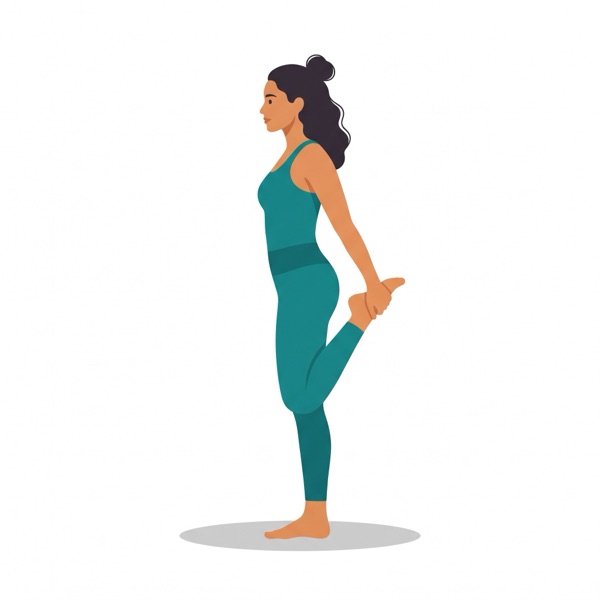
Descents are hard on the quads. Standing quad stretch, holding a car door or tree. See quad stretches.
Hamstrings (30 s per side)
Heel on a rock or car bumper, hinge forward.
Hip flexors (30 s per side)
Standing hip flexor stretch.
Glutes (30 s per side)
Standing figure-4. See figure-four stretch.
Back and shoulders (30 s)
Hands on a car or tree, walk back and hinge forward for a lat stretch; then clasped hands chest opener to undo the backpack.
The next day
Feeling stiff and sore the day after a big hike is normal. Gentle movement helps you feel looser:
- An easy walk.
- A gentle lower body stretch routine with light holds.
- Supine spinal twist and knee-to-chest for the back.
Don't stretch very sore muscles hard.
Knees on descents
If your knees ache on downhill sections, poles, shorter steps and stronger quads often help. See stretches for knee pain.
Multi-day treks
Stretch every evening at camp for 5 minutes, and do the trailhead warm-up every morning. In cold weather, warm up longer. See winter stiffness stretches.
Do it with Suppl
Suppl works offline once installed, and its routines need no mat. Do Leg Flexibility (about 4 minutes) at the end of the trail or Post-Run Recovery, which targets the same muscles.
Pack-friendly tips
You don't need any gear: a tree, a rock or your car is enough support. Stretch while your legs are still warm from the descent, before you sit down in the car for the drive home. If you're on a multi-day trip, a lightweight strap or the strap of your pack works for hamstring stretches. Keep holds gentle on tired legs; the goal is to feel looser, not to push range.
Frequently asked questions
Should I stretch before hiking?
A short dynamic warm-up and an easy first few minutes are best.
What muscles get sore from hiking?
Usually calves, quads (especially after descents), glutes and hamstrings.
How can I reduce soreness after hiking?
Gradually build up hike length, stay hydrated, sleep well and move gently the next day.
Is stretching on the trail safe?
Yes; use a tree or rock for balance.